 Long-form
Experiments·
Pulse MotorCounter RotatorDrive Coil
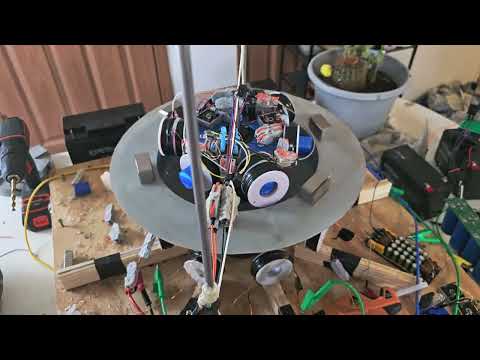
Turbo Drive Concept for Counter Rotator
Putting a drive coil on a counter-rotator: 2.5V start, capacitor-fed LEDs, mutual inductance on the bench.
Pulse Motor Experiments & DIY Builds
DIY pulse motors, magnetic induction, and measurement-first workshop notes from @MPHJR. Papa Bale's videos already on this site stay as published. No gatekeeping, just bench work.
Free path: watch full videos on YouTube and subscribe.
Latest video
Long-formPutting a drive coil on a counter-rotator: 2.5V start, capacitor-fed LEDs, mutual inductance on the bench.
 Long-form
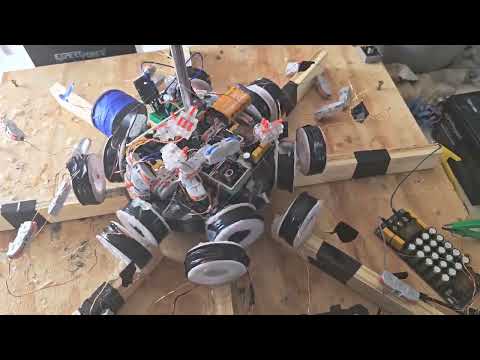
6-magnet rotor vs 8 bifilar stator coils: coil passes from 400 Hz down to 100 Hz at 12–30 V, north/south fields, under 130 mA.
 Long-form
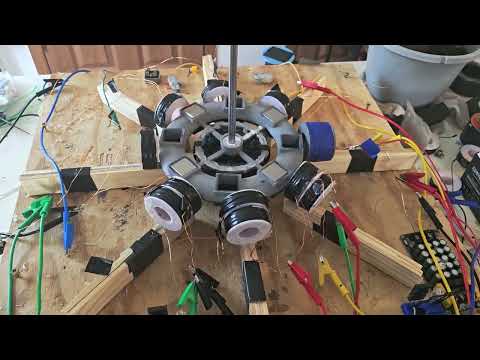
Papa Bale here with a messy bench update.
 Long-form
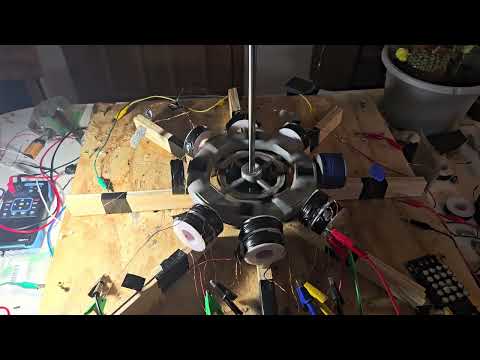
I fire up two circuits at once, chase meter spikes, and retell the day a three magnet rotor one literally exploded at speed.
 Long-form
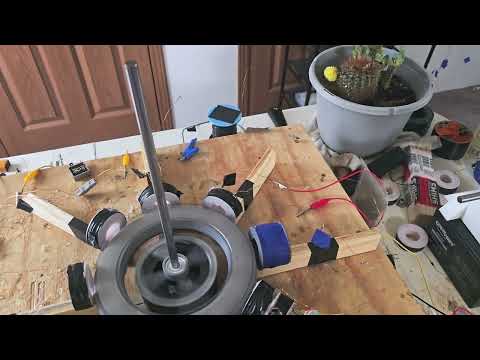
Eight-magnet eight-coil pulse motor lab — amp funnel coil wiring, pickup coils, and give-and-take battery measurements.
 Long-form
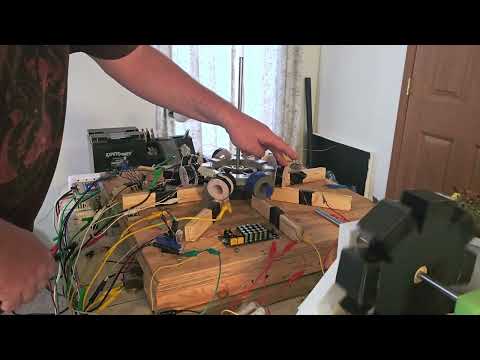
Real bench time with motor rotor magnets on a pulse motor rotor.
Build a working DIY pulse motor this weekend: parts list (~$20–$60), 1–3 mm coil placement, transistor circuit, reed/Hall timing, and…
I fired up the counter rotator at 2.5 volts and started putting drive coil sections in place to see how the mutual inductance and caps…
Papa Bale tests coil passes on a 6-magnet rotor and 8-electromagnet stator.
One path · free first
Notes stay free. The full experiment lives on YouTube. Membership is optional when you want Discord and exclusives — not required to learn.
Subscribe free + turn on alerts
Hit Subscribe, then the 🔔 bell so you catch the next experiment.
Subscribe free + 🔔